
Introduction
A modern plywood production line consists of multiple interconnected machines working continuously to transform raw wood logs into high-quality plywood panels.
A typical production process includes:
- Log preparation
- Veneer peeling
- Veneer drying
- Glue spreading
- Veneer assembly
- Cold pressing
- Hot pressing
- Sanding and finishing
Because every machine is connected within the production system, a failure in one critical component can interrupt the entire manufacturing process.
Unexpected equipment downtime can result in:
- Production delays
- Increased maintenance costs
- Material waste
- Delivery problems
- Reduced customer satisfaction
For plywood manufacturers, implementing a professional plywood production line maintenance program is one of the most effective ways to improve operational efficiency.
Preventive maintenance focuses on regularly inspecting, adjusting, cleaning, and replacing critical components before equipment failure occurs.
This article provides a complete maintenance checklist for plywood factories to keep production lines operating reliably.
1. Why Preventive Maintenance Is Important for Plywood Production Lines
Many plywood factories only replace components after machine failures happen.
However, reactive maintenance often creates higher costs.
A preventive maintenance system provides several advantages:
1.1 Reduce Unexpected Downtime
Production interruptions usually happen because of:
- Worn mechanical components
- Hydraulic failures
- Electrical problems
- Conveyor damage
- Lubrication issues
Regular inspection helps identify potential problems before they stop production.
1.2 Improve Product Quality
Machine accuracy directly affects plywood quality.
Poorly maintained equipment may cause:
- Uneven veneer thickness
- Incorrect glue application
- Weak bonding strength
- Surface defects
Maintaining equipment stability ensures consistent product quality.
1.3 Extend Machine Service Life
Industrial woodworking equipment operates under:
- Continuous vibration
- High pressure
- Heat exposure
- Dust conditions
Regular maintenance reduces component wear and extends equipment lifespan.
2. Daily Maintenance Checklist for Plywood Machinery
Daily inspection is the foundation of equipment reliability.
Operators should check the following items before production.
2.1 Machine Cleaning
Wood processing creates large amounts of:
- Wood dust
- Veneer waste
- Adhesive residue
Daily cleaning should include:
✓ Machine surfaces
✓ Conveyor areas
✓ Roller systems
✓ Electrical cabinets
✓ Hydraulic components
A clean working environment improves safety and machine performance.
2.2 Lubrication Inspection
Proper lubrication reduces friction between moving components.
Check:
- Bearings
- Gear systems
- Chains
- Sliding components
Insufficient lubrication may cause:
- Overheating
- Abnormal noise
Premature component failure
2.3 Check Abnormal Sounds and Vibration
Operators should pay attention to:
- Unusual noise
- Excessive vibration
- Irregular movement
These signs may indicate:
- Bearing damage
- Gear problems
- Alignment issues
Early detection prevents major failures.
3. Veneer Peeling Machine Maintenance Checklist
The veneer peeling machine is the first major processing stage in plywood production.
Its performance affects veneer quality and production efficiency.
Important Components to Inspect
Peeling Knife
Check:
- Sharpness
- Position accuracy
- Surface damage
A worn knife may cause:
- Uneven veneer thickness
- Rough veneer surface
Increased material waste
Pressure Roller System
Inspect:
- Roller surface condition
- Alignment
- Feeding stability
Damaged rollers can affect veneer quality.
Bearings and Transmission Parts
Check:
- Bearing temperature
- Lubrication condition
- Gear operation
Replacing worn veneer peeling machine parts on time reduces production interruption.
4. Veneer Dryer Machine Maintenance Checklist
The veneer dryer controls moisture content before plywood assembly.
Stable drying is essential for bonding quality.
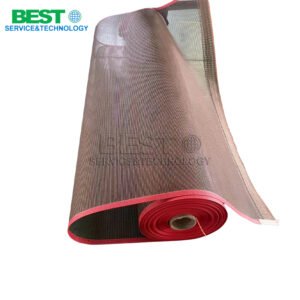
Teflon Mesh Belt Inspection
The conveyor belt should be checked for:
- Broken mesh
- Surface damage
- Belt deviation
- Incorrect tension
A damaged Teflon mesh belt may reduce drying efficiency.
Heating System Inspection
Check:
- Temperature control accuracy
- Air circulation system
- Heating elements
Uneven heating may cause inconsistent veneer moisture.
Conveyor Roller Maintenance
Inspect:
- Roller alignment
- Bearing condition
- Rotation stability
Smooth transportation improves production efficiency.
5. Glue Spreader Machine Maintenance Checklist
The glue spreading process directly affects plywood bonding quality.
Glue Roller Inspection
Check:
- Rubber roller surface
- Roller hardness
- Adhesive residue
Worn rollers may cause:
- Uneven glue application
- Excessive adhesive consumption
- Weak bonding
Doctor Roller Adjustment
Verify:
- Roller gap
- Pressure adjustment
- Adhesive thickness
Correct adjustment ensures uniform glue distribution.
Cleaning Procedure
After operation:
- Remove remaining glue
- Clean roller surfaces
- Check mechanical movement
Proper cleaning extends roller service life.
6. Cold Press Machine Maintenance Checklist
Cold pressing prepares assembled veneer layers before hot pressing.
Important inspection points:
Hydraulic System
Check:
- Hydraulic oil level
- Pressure stability
- Cylinder condition
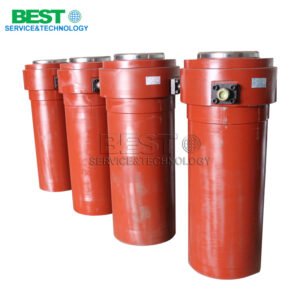
Hydraulic Cylinder
Inspect:
- Oil leakage
- Sealing condition
- Movement accuracy
Damaged hydraulic components may affect pressing quality.
7. Hot Press Machine Maintenance Checklist
The hot press machine is one of the most important pieces of equipment in plywood production.
It determines:
- Bonding strength
- Panel thickness
- Surface quality
Heating System
Inspect:
- Temperature uniformity
- Heating plates
- Thermal control system
Hydraulic System
Check:
- Oil pressure
- Hydraulic valves
- Cylinder seals
Common problems include:
- Pressure loss
- Oil leakage
- Uneven pressing force
Using reliable hot press machine parts helps maintain stable production.
8. Electrical System Maintenance
Modern plywood production lines include many electrical components.
Regular inspection should include:
Control Cabinets
Check:
- Dust accumulation
- Wiring condition
- Cooling system
Sensors and Control Systems
Inspect:
- Sensor accuracy
- Signal stability
- Automation control performance
Electrical failures may stop the entire production line.
9. Monthly Maintenance Checklist
A monthly maintenance program should include:
Mechanical Inspection
✓ Check bolts and fasteners
✓ Inspect transmission systems
✓ Check moving parts
✓ Replace damaged components
Hydraulic Inspection
✓ Check oil quality
✓ Inspect leakage points
✓ Clean hydraulic filters
Electrical Inspection
✓ Test control systems
✓ Check electrical connections
✓ Inspect safety devices
10. Recommended Spare Parts Inventory for Plywood Factories
Maintaining essential spare parts inventory helps reduce downtime.
Recommended spare parts include:
Mechanical Parts
- Bearings
- Rollers
- Chains
- Gears
- Transmission components
Hydraulic Parts
- Hydraulic seals
- Valves
- Cylinders
- Hydraulic accessories
Conveyor Components
- Teflon mesh belts
- Conveyor rollers
- Drive components
Electrical Components
- Sensors
- Switches
- Control modules
11. How to Build an Effective Maintenance Management System
Professional plywood factories should establish:
Maintenance Schedule
Create:
- Daily inspection plans
- Weekly checks
- Monthly maintenance
- Annual overhaul
Maintenance Records
Record:
- Replacement dates
- Component problems
- Machine performance
- Repair history
This helps predict future maintenance requirements.
Cooperation With Reliable Spare Parts Suppliers
A professional supplier can provide:
- Correct component identification
- Technical recommendations
- Customized spare parts
- Fast export service
This reduces equipment risks.
Conclusion
Preventive maintenance is essential for maintaining reliable plywood production lines.
A well-designed maintenance program helps manufacturers:
✓ Reduce unexpected downtime
✓ Improve product quality
✓ Extend machine lifespan
✓ Control operating costs
✓ Maintain stable production capacity
From veneer peeling machines and veneer dryers to glue spreaders and hot presses, every component contributes to overall production performance.
BS Wood Machine Spare provides professional plywood machinery spare parts solutions for global plywood manufacturers, including mechanical components, hydraulic parts, conveyor systems, and customized industrial spare parts.
Categories
Recent Posts
Need Plywood Machinery Spare Parts?
Get professional solution for your production line.
What spare parts are used in plywood production machines?
Maintenance frequency depends on:
- Production hours
- Machine type
- Working environment
- Equipment condition
Daily inspection combined with scheduled maintenance is recommended.
Common critical parts include:
- Bearings
- Rollers
- Hydraulic seals
- Conveyor belts
- Electrical components
Yes.
Regular maintenance reduces:
- Emergency repairs
- Production downtime
- Material waste
Labor costs
Having essential spare parts available helps factories quickly replace damaged components and avoid long production interruptions.
Related Video
Related Products


Related Articles
Need Reliable Plywood Machinery Spare Parts?
BS Wood Machine Spare provides complete spare parts solutions for plywood production factories worldwide.
We supply:
✓ Veneer peeling machine parts
✓ Veneer dryer machine parts
✓ Teflon mesh belts
✓ Glue spreader machine rollers
✓ Hot press machine components
✓ Customized woodworking machinery spare parts
Contact our technical team today for product recommendations and quotation.