
Introduction
Plywood is one of the most widely used engineered wood products in the construction, furniture, packaging, transportation, and interior decoration industries. Thanks to its excellent strength, dimensional stability, and cost-effectiveness, plywood has become an essential material for countless commercial and industrial applications.
Producing high-quality plywood is far more complex than simply bonding several wood veneers together. A modern plywood factory integrates advanced machinery, precise process control, skilled operators, and strict quality management to ensure consistent product performance.
From selecting raw logs to packaging finished plywood sheets, every production stage influences the final product’s strength, appearance, moisture resistance, and durability.
This guide explains the complete plywood manufacturing process step by step, introducing the machinery used at each stage and the key factors affecting production quality and efficiency.
1. Overview of the Plywood Manufacturing Process
Although production lines vary according to factory size and product type, the general manufacturing process includes:
- Log Selection
- Log Debarking
- Log Conditioning
- Veneer Peeling
- Veneer Clipping
- Veneer Drying
- Veneer Grading
- Glue Preparation
- Glue Spreading
- Veneer Assembly
- Cold Pressing
- Hot Pressing
- Edge Trimming
- Sanding
- Quality Inspection
- Packaging
Each stage must be carefully controlled to achieve consistent product quality.
2. Raw Log Selection
The manufacturing process begins with selecting suitable timber species.
Common wood species include:
- Poplar
- Birch
- Eucalyptus
- Pine
- Hardwood
- Rubberwood
Factors considered during selection include:
- Diameter
- Straightness
- Moisture content
- Knot frequency
- Wood defects
High-quality logs produce better veneer recovery and reduce material waste.
3. Log Debarking
Before peeling, logs pass through a debarking machine to remove bark.
Benefits of Debarking
- Protects peeling knives
- Improves veneer quality
- Reduces contamination
- Extends machine service life
Proper debarking also improves production efficiency by reducing unnecessary machine wear.
4. Log Conditioning
Fresh logs are conditioned before peeling.
Depending on the wood species, logs may be:
- Heated with steam
- Soaked in hot water
- Stored under controlled conditions
Advantages
- Softens wood fibers
- Reduces veneer cracking
- Improves peeling smoothness
- Extends knife life
5. Veneer Peeling
The conditioned logs are processed using a veneer peeling machine, one of the most important machines in the plywood production line.
During peeling:
- The log rotates continuously.
- A precision knife removes a thin wood sheet.
- The veneer is produced in a continuous ribbon.
Key Equipment
- Veneer peeling machine
- Knife holder
- Pressure bar
- Feeding rollers
Quality Factors
- Knife sharpness
- Feeding accuracy
- Roller stability
- Machine alignment
Poor peeling accuracy may result in uneven veneer thickness, reducing plywood quality.
6. Veneer Clipping
After peeling, the continuous veneer ribbon is clipped into standard sheet sizes.
Common defects removed include:
- Cracks
- Knots
- Irregular edges
- Broken sections
Clipping improves production efficiency and material utilization.
7. Veneer Drying
Fresh veneer contains a high moisture content and must be dried before gluing.
Veneer Dryer
A veneer dryer reduces moisture to the required level, typically between 6% and 10%, depending on the plywood specification.
Main Dryer Components
- Conveyor system
- Heating chamber
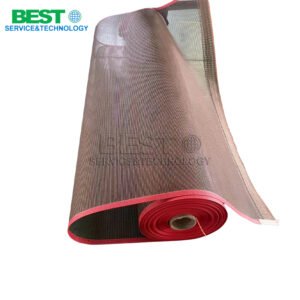
- Teflon mesh belts
- Rollers
- Temperature control system
Benefits
- Stable moisture content
- Improved bonding
- Reduced panel deformation
- Better dimensional stability
8. Veneer Grading and Sorting
After drying, veneers are inspected and sorted.
Typical grading factors include:
- Surface appearance
- Color consistency
- Thickness accuracy
- Defect quantity
- Moisture level
Different veneer grades are used for:
- Face veneer
- Back veneer
- Core veneer
Proper grading improves finished panel quality.
9. Glue Preparation
The adhesive is prepared according to production requirements.
Common adhesive systems include:
- Urea Formaldehyde (UF)
- Melamine Urea Formaldehyde (MUF)
- Phenol Formaldehyde (PF)
Glue formulation influences:
- Water resistance
- Bonding strength
- Environmental performance
10. Glue Spreading
Glue is applied evenly using a glue spreader machine.
Important Components
- Rubber glue rollers
- Doctor rollers
- Transmission system
- Feeding system
Quality Control
Proper glue spreading ensures:
- Uniform adhesive thickness
- Reduced glue consumption
- Strong bonding
- Stable product quality
Uneven glue application may lead to delamination during service.
11. Veneer Assembly
After glue application, veneers are stacked according to product specifications.
The grain direction of adjacent layers is arranged perpendicular to each other.
This cross-laminated structure provides plywood with:
- High strength
- Excellent dimensional stability
- Reduced expansion and shrinkage
12. Cold Pressing
The assembled veneer stack enters a cold press.
Purpose
- Remove trapped air
- Improve veneer contact
- Stabilize panel structure before hot pressing
Cold pressing also improves handling efficiency.
13. Hot Pressing
Hot pressing is the core process of plywood manufacturing.
A hot press machine applies controlled pressure and temperature to cure the adhesive permanently.
Typical parameters include:
- Temperature: 110–160°C
- Pressure: According to panel specification
- Pressing time: Based on panel thickness and adhesive type
Benefits
- Permanent bonding
- High mechanical strength
- Stable panel thickness
- Improved durability
14. Edge Trimming
After pressing, oversized panels are trimmed to standard dimensions.
Common panel sizes include:
- 1220 × 2440 mm (4 × 8 ft)
- Customized industrial sizes
Accurate trimming ensures easy installation and consistent product dimensions.
15. Sanding
A wide belt sanding machine removes surface irregularities.
Advantages
- Smooth surface finish
- Accurate thickness
- Better appearance
- Improved coating performance
Sanding is particularly important for furniture-grade plywood.
16. Quality Inspection
Finished plywood undergoes strict inspection.
Inspection Items
- Thickness tolerance
- Bonding strength
- Surface defects
- Moisture content
- Dimensional accuracy
- Squareness
- Edge quality
Quality control helps ensure compliance with customer requirements and international standards.
17. Packaging and Shipping
Qualified panels are packaged for transportation.
Typical packaging materials include:
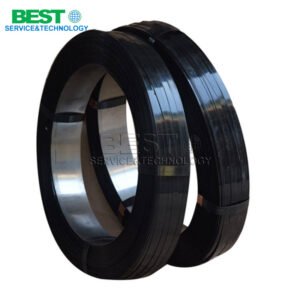
- PET straps
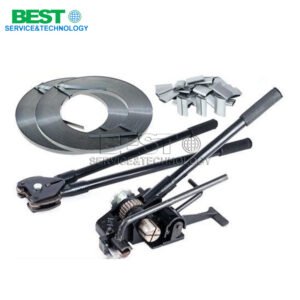
- Steel straps
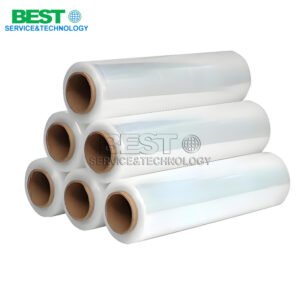
- Stretch film
- Edge protectors
- Wooden pallets
Proper packaging prevents damage during domestic and international shipping.
Common Machinery Used in Plywood Manufacturing
| Production Stage | Main Equipment |
|---|---|
| Debarking | Log Debarker |
| Peeling | Veneer Peeling Machine |
| Clipping | Veneer Clipper |
| Drying | Veneer Dryer |
| Glue Application | Glue Spreader Machine |
| Assembly | Veneer Lay-up Station |
| Cold Press | Cold Press Machine |
| Hot Press | Hot Press Machine |
| Sanding | Wide Belt Sander |
| Packaging | Strapping Machine |
Factors Affecting Plywood Quality
Several production factors determine final product performance.
Raw Material Quality
High-quality logs improve veneer recovery.
Moisture Content
Incorrect moisture levels reduce bonding strength.
Glue Quality
Suitable adhesive improves durability.
Machine Precision
Well-maintained machinery produces consistent panels.
Spare Parts Quality
Reliable replacement parts reduce downtime and maintain production accuracy.
Why Preventive Maintenance Matters
Modern plywood factories rely on continuous production.
Preventive maintenance helps:
- Reduce equipment failures
- Extend machine lifespan
- Maintain production efficiency
- Improve product consistency
- Lower maintenance costs
Regular inspection of rollers, bearings, conveyor systems, hydraulic components, glue spreaders, and hot press parts ensures long-term equipment reliability.
Why Choose BS Wood Machine Spare?
BS Wood Machine Spare supplies professional spare parts and industrial solutions for plywood manufacturers worldwide.
Our product range includes:
- Veneer peeling machine parts
- Veneer dryer machine components
- Teflon mesh belts
- Glue spreader rollers
- Hot press machine spare parts
- Conveyor rollers
- Bearings
- Hydraulic components
- Customized mechanical parts
We help plywood factories improve production efficiency while reducing maintenance costs and downtime.
Conclusion
The plywood manufacturing process is a highly coordinated industrial operation involving advanced machinery, precise process control, and strict quality management.
Every stage—from log preparation and veneer peeling to glue spreading, hot pressing, sanding, and packaging—contributes to the performance of the finished plywood panel.
For manufacturers seeking higher productivity and consistent quality, investing in reliable machinery and premium spare parts is just as important as selecting high-quality raw materials.
BS Wood Machine Spare provides dependable spare parts and technical solutions to help plywood factories maintain stable production, reduce downtime, and improve long-term operational performance.
Categories
Recent Posts
Ready to Improve Your Plywood Production Line?
BS Wood Machine Spare supplies:
- Veneer Peeling Machine Parts
- Veneer Dryer Spare Parts
- Teflon Mesh Belts
- Glue Spreader Rollers
- Hot Press Machine Components
- Conveyor System Parts
- Customized Machinery Components
Frequently Asked Questions (FAQ)
Every stage is important, but veneer quality, glue spreading, and hot pressing have the greatest influence on bonding strength and finished panel quality.
Drying reduces moisture to the correct level, ensuring proper adhesive curing and preventing delamination.
Typical equipment includes veneer peeling machines, veneer dryers, glue spreaders, cold presses, hot presses, sanding machines, conveyors, and packaging equipment.
Regular preventive maintenance, high-quality spare parts, automation, and optimized process control help improve efficiency.
Related Video
Related Products




Related Articles
Need Reliable Plywood Machinery Spare Parts?
BS Wood Machine Spare provides high-quality spare parts and professional solutions for plywood factories worldwide.