
Introduction
In plywood manufacturing, the quality of the finished panel begins long before adhesives are applied or hot pressing takes place. It starts with the veneer.
Wood veneer is the primary structural material in plywood. Every sheet contributes to the panel’s mechanical strength, dimensional stability, bonding performance, and visual appearance. Even with advanced machinery and high-quality adhesives, poor veneer quality can significantly reduce the performance of the finished product.
Modern plywood manufacturers therefore place strong emphasis on veneer inspection, grading, moisture control, and proper storage before production.
This article explains how veneer quality influences plywood performance, examines the most common veneer defects, and discusses best practices for quality control throughout the manufacturing process.
1. What Is Veneer?
Veneer is a thin sheet of wood produced by peeling or slicing logs.
In plywood production, veneer is classified into three basic categories:
- Face veneer
- Back veneer
- Core veneer
Each layer performs a different function.
Face veneer determines:
- Surface appearance
- Decorative quality
- Finishing performance
Core veneer mainly contributes to:
- Structural strength
- Thickness consistency
- Internal stability
Because plywood consists of multiple veneer layers bonded together, defects in any layer can influence overall panel performance.
2. Why Veneer Quality Matters
High-quality veneer provides the foundation for:
- Strong bonding
- Uniform thickness
- Stable dimensions
- Attractive surface finish
- High mechanical strength
Poor-quality veneer may lead to:
- Delamination
- Warping
- Surface defects
- Uneven thickness
- Reduced load-bearing capacity
Even if pressing conditions are optimized, defective veneer limits the final product’s quality.
3. Key Factors That Determine Veneer Quality
3.1 Veneer Thickness Accuracy
Consistent veneer thickness is essential for producing uniform plywood panels.
Accurate thickness helps ensure:
- Even glue distribution
- Uniform pressing pressure
- Stable panel thickness
- Better machining performance
If veneer thickness varies excessively:
- Glue consumption increases.
- Pressing pressure becomes uneven.
- Finished panels may develop weak bonding areas.
Precision veneer peeling machines and properly maintained peeling knives are essential for achieving accurate veneer thickness.
3.2 Moisture Content
Moisture content is one of the most important quality indicators.
After peeling, veneer normally contains a high level of moisture and must be dried before gluing.
Typical production targets range from 6% to 10% moisture content, depending on the adhesive system and product specifications.
Excessive Moisture
High moisture may cause:
- Poor adhesive curing
- Delamination
- Steam pressure during hot pressing
- Reduced bonding strength
Moisture That Is Too Low
Over-dried veneer may result in:
- Brittle fibers
- Surface cracking
- Reduced flexibility
- Glue absorption problems
Modern veneer dryers use automatic temperature and conveyor control to maintain consistent drying quality.
3.3 Surface Smoothness
Smooth veneer surfaces allow adhesive to spread evenly.
Advantages include:
- Better glue coverage
- Stronger bonding
- Improved panel appearance
- Reduced adhesive consumption
Surface roughness often results from:
- Worn peeling knives
- Improper cutting angle
- Machine vibration
Routine maintenance helps maintain high surface quality.
3.4 Grain Direction
Wood grain influences the mechanical behavior of plywood.
During assembly:
- Adjacent veneer layers are positioned with grain directions perpendicular to each other.
This cross-laminated structure improves:
- Strength
- Dimensional stability
- Resistance to bending
- Crack resistance
Improper grain orientation reduces structural performance.
4. Common Veneer Defects
Knots
Knots occur where tree branches grow.
Large or loose knots may cause:
- Weak bonding
- Reduced strength
- Surface imperfections
Face veneers generally require fewer visible knots than core veneers.
Cracks and Splits
Cracks may develop during:
- Peeling
- Drying
- Handling
These defects reduce:
- Bonding area
- Structural integrity
- Mechanical strength
Damaged veneers should be repaired or removed before assembly.
Overlapping Veneer
Improper peeling may produce overlapping wood fibers.
Consequences include:
- Uneven thickness
- Pressing difficulties
- Surface irregularities
Holes and Open Defects
Natural defects or mechanical damage may create openings.
These reduce:
- Bonding performance
- Surface quality
- Panel strength
Some defects can be repaired using veneer patches.
5. Veneer Grading Standards
Most plywood manufacturers classify veneer according to visual and structural quality.
Typical grading factors include:
- Knot size
- Crack length
- Color variation
- Surface smoothness
- Thickness tolerance
- Moisture content
Higher-grade veneer is usually used for:
- Furniture plywood
- Decorative plywood
- Cabinet panels
Lower grades are suitable for:
- Construction plywood
- Packaging plywood
- Structural applications
Proper grading improves production efficiency and reduces waste.
6. How Veneer Quality Affects Bonding Strength
Adhesive performance depends on good contact between veneer layers.
Poor veneer quality may lead to:
- Uneven glue distribution
- Air pockets
- Weak bonding
- Delamination
Factors affecting bonding include:
Smooth Surface
Improves adhesive contact.
Uniform Thickness
Maintains even pressing pressure.
Correct Moisture
Supports complete adhesive curing.
Clean Surface
Prevents contamination.
Consistent veneer quality leads to stronger and more reliable plywood panels.
7. Influence on Mechanical Performance
High-quality veneer improves:
Bending Strength
Panels withstand greater loads.
Screw Holding Capacity
Furniture panels retain fasteners more securely.
Impact Resistance
Panels resist cracking during transportation and installation.
Dimensional Stability
Reduced expansion and shrinkage under changing humidity.
8. Influence on Appearance
For decorative plywood, veneer quality directly affects visual performance.
Important characteristics include:
- Uniform color
- Smooth texture
- Attractive grain
- Minimal repairs
High-quality face veneers improve finishing results for:
- Painting
- Laminating
- Veneering
- Coating
9. Quality Control During Veneer Production
Professional plywood factories implement quality control at every production stage.
Raw Log Inspection
Only suitable logs enter production.
Peeling Machine Maintenance
Regular maintenance ensures:
- Stable thickness
- Smooth surfaces
- Accurate cutting
Veneer Dryer Monitoring
Automatic systems control:
- Temperature
- Conveyor speed
- Moisture content
Grading Inspection
Operators classify veneers according to predefined standards.
Storage Management
Proper storage prevents:
- Moisture absorption
- Warping
- Mold growth
10. The Role of Machinery in Veneer Quality
Even high-quality timber cannot compensate for poorly maintained machinery.
Important equipment includes:
Veneer Peeling Machine
Responsible for thickness accuracy.
Veneer Dryer
Controls moisture content.
Conveyor Systems
Prevent veneer damage during transportation.
Glue Spreader Machine
Ensures even adhesive application.
Hot Press Machine
Produces stable bonding under controlled pressure and temperature.
Regular replacement of rollers, bearings, hydraulic components, conveyor belts, and glue spreader rollers helps maintain consistent veneer quality throughout production.
Best Practices for Improving Veneer Quality
Professional manufacturers should:
✓ Select high-quality logs.
✓ Maintain peeling knives regularly.
✓ Monitor veneer thickness continuously.
✓ Control drying temperature and moisture.
✓ Grade veneers accurately.
✓ Store veneers in dry, controlled environments.
✓ Inspect glue application regularly.
✓ Maintain machinery according to preventive maintenance schedules.
Why Choose BS Wood Machine Spare?
BS Wood Machine Spare supports plywood manufacturers with reliable machinery spare parts and technical solutions.
Our products include:
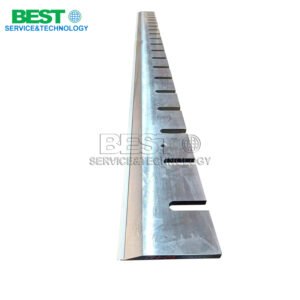
- Veneer Peeling Machine Parts
- Veneer Dryer Components
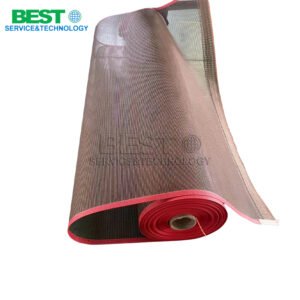
- Teflon Mesh Belts
- Glue Spreader Rollers
- Conveyor Rollers
- Hydraulic Components
- Bearings
- Customized Spare Parts
Our technical team helps customers improve:
✓ Veneer production efficiency
✓ Equipment reliability
✓ Finished plywood quality
✓ Production stability
Conclusion
Veneer quality is one of the most important factors affecting plywood performance.
Accurate veneer thickness, controlled moisture content, proper grading, and careful handling all contribute to stronger bonding, improved mechanical properties, and better finished panel appearance.
Combined with well-maintained production equipment and high-quality spare parts, superior veneer quality enables manufacturers to produce plywood that meets demanding international standards.
BS Wood Machine Spare supplies professional machinery components and technical support to help plywood factories improve production efficiency, reduce downtime, and consistently manufacture high-quality plywood products.
Categories
Recent Posts
Improve Your Plywood Production Quality
BS Wood Machine Spare provides:
- Veneer Peeling Machine Parts
- Veneer Dryer Spare Parts
- Teflon Mesh Belts
- Glue Spreader Rollers
- Hot Press Machine Components
- Customized Industrial Spare Parts
Frequently Asked Questions (FAQ)
Proper moisture content allows adhesives to cure correctly and helps prevent delamination during hot pressing.
Yes. Veneer defects such as cracks, excessive moisture, and uneven thickness significantly reduce structural performance.
Manufacturers inspect thickness, moisture content, appearance, knot size, cracks, and surface smoothness before assembly.
The veneer peeling machine has the greatest impact because it determines veneer thickness, surface finish, and overall dimensional accuracy.
Related Video
Related Products





Related Articles
Need Reliable Plywood Machinery Spare Parts?
BS Wood Machine Spare provides high-quality spare parts and professional solutions for plywood factories worldwide.