
Introduction
The global plywood industry is experiencing significant technological transformation.
Traditional plywood production mainly depends on manual operation, mechanical adjustment, and operator experience.
However, with increasing market competition and rising requirements for:
- Higher production efficiency
- Better product consistency
- Lower operating costs
- Sustainable manufacturing
plywood manufacturers are gradually moving toward intelligent and automated production systems.
The concept of intelligent plywood manufacturing combines advanced machinery, automation technology, digital monitoring systems, and optimized production management.
Future plywood factories will not only focus on producing more panels but also on achieving:
- More accurate processing
- More efficient resource utilization
- More stable product quality
- More flexible production capability
For machinery suppliers and spare parts providers, understanding these trends is essential for supporting the next generation of plywood production systems.
1. The Development of Intelligent Plywood Manufacturing
Traditional plywood factories typically rely on:
- Manual machine adjustment
- Operator inspection
- Experience-based production control
Although this method has supported the industry for decades, it faces several challenges:
- Increasing labor costs
- Difficulty maintaining consistent quality
- Higher production management requirements
- Limited production data analysis
Modern intelligent manufacturing introduces:
- Automation systems
- Digital control
- Sensor technology
- Data monitoring
- Smart maintenance
These technologies allow factories to improve production efficiency and reduce operational risks.
2. Automation Will Become the Core of Future Plywood Factories
Automation is one of the most important trends in plywood manufacturing.
Modern production lines increasingly use automated systems for:
- Veneer handling
- Material transportation
- Glue application
- Pressing operations
- Quality inspection
2.1 Automated Veneer Handling Systems
Veneer transportation is a critical part of plywood production.
Future systems will use:
- Automatic feeding systems
- Intelligent conveyor systems
- Robotic handling equipment
Benefits include:
✓ Faster production speed
✓ Reduced manual labor
✓ Lower material damage
✓ More stable operation
Reliable conveyor components and plywood machinery spare parts will continue to play an important role in maintaining these automated systems.
3. Smart Control Systems and Digital Monitoring
Modern plywood equipment is becoming more intelligent through advanced control technology.
Important technologies include:
- PLC control systems
- Touchscreen operation panels
- Sensor monitoring
- Remote diagnostics
3.1 Real-Time Production Monitoring
Smart systems can monitor:
- Machine operating conditions
- Production speed
- Temperature
- Pressure
- Energy consumption
Factory managers can identify problems earlier and optimize production processes.
3.2 Data-Based Maintenance
Traditional maintenance usually depends on fixed schedules.
Future factories will use predictive maintenance based on equipment data.
Systems can detect:
- Abnormal vibration
- Temperature changes
- Component wear
This allows factories to replace parts before serious failures occur.
4. Artificial Intelligence in Plywood Manufacturing
Artificial intelligence is gradually entering industrial manufacturing.
In plywood production, AI technology may support:
4.1 Quality Inspection
AI vision systems can inspect:
- Veneer defects
- Surface problems
- Panel quality
This improves inspection accuracy.
4.2 Production Optimization
AI systems can analyze:
- Production data
- Machine performance
- Material usage
and recommend improvements.
5. Advanced Machinery Components Will Improve Efficiency
As plywood factories become more automated, machinery components must provide higher performance.
Future requirements include:
5.1 Higher Precision Components
Modern equipment requires:
- Accurate dimensions
- Stable operation
- Reduced vibration
Precision spare parts improve machine reliability.
5.2 More Durable Materials
Industrial components will increasingly use:
- Wear-resistant materials
- Heat-resistant coatings
- Advanced alloys
Examples:
- High-performance rollers
- Improved conveyor belts
- Durable hydraulic components
5.3 Customized Spare Parts Solutions
Because factories often upgrade existing equipment, customized components will become increasingly important.
Professional suppliers will provide:
- Custom manufacturing
- Technical matching
- Improved replacement solutions
6. Energy Efficiency and Sustainable Manufacturing
Environmental requirements are becoming increasingly important worldwide.
Future plywood factories will focus on:
- Lower energy consumption
- Reduced material waste
- Sustainable production methods
6.1 Energy-Efficient Equipment
Modern machinery focuses on:
- Efficient motors
- Optimized heating systems
- Smart energy management
6.2 Waste Reduction
Intelligent systems help reduce:
- Veneer waste
- Adhesive consumption
- Production errors
This improves both environmental performance and profitability.
7. The Role of Spare Parts Suppliers in Smart Manufacturing
Although intelligent factories rely on advanced equipment, reliable spare parts remain essential.
Even highly automated systems require regular maintenance.
Important spare parts include:
Mechanical Components
- Rollers
- Bearings
- Transmission parts
- Conveyor components
Hydraulic Components
- Hydraulic seals
- Cylinders
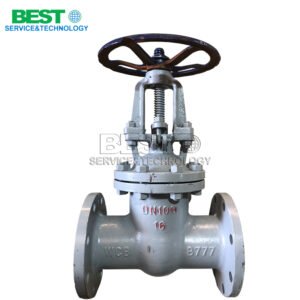
- Valves
Drying System Components
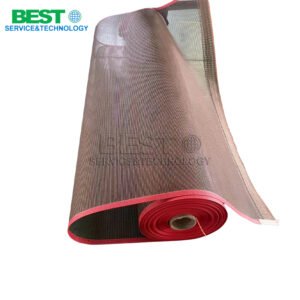
- Teflon mesh belts
- Conveyor parts
Electrical Components
- Sensors
- Control modules
- Switches
A professional supplier helps factories maintain continuous operation.
8. Challenges of Intelligent Plywood Manufacturing
Although smart manufacturing provides many advantages, factories may face challenges.
8.1 Investment Costs
Automation systems require:
- Equipment investment
- Technology upgrades
- Staff training
Factories need long-term planning.
8.2 Technical Knowledge Requirements
Modern equipment requires:
- Skilled operators
- Maintenance capability
- Technical support
8.3 Integration With Existing Equipment
Many factories operate older machines.
Upgrading requires:
- Compatible components
- Customized solutions
- Professional technical support
9. Future Direction of Plywood Production Lines
The future plywood factory will become:
More Automated
Machines will handle more production processes automatically.
More Connected
Equipment will communicate through digital systems.
More Efficient
Production will be optimized through data analysis.
More Sustainable
Factories will reduce waste and energy consumption.
10. How BS Wood Machine Spare Supports Future Plywood Manufacturing
As plywood manufacturing continues to evolve, reliable spare parts supply becomes increasingly important.
BS Wood Machine Spare provides professional solutions for plywood factories worldwide.
Our products include:
Veneer Processing Parts
- Veneer peeling machine parts
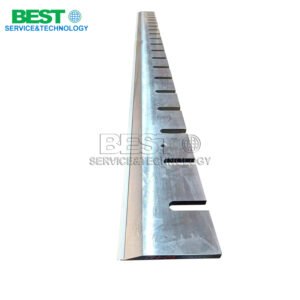
- Rotary cutting components
- Mechanical transmission parts
Drying System Parts
- Teflon mesh belts
- Conveyor components
- Dryer accessories
Glue Spreading Components
- Rubber glue rollers
- Doctor rollers
- Replacement parts
Pressing System Components
- Hot press machine parts
- Hydraulic components
- Sealing systems
We support customers with:
✓ Accurate component matching
✓ Customized manufacturing solutions
✓ International export experience
✓ Technical support
Conclusion
The future of plywood manufacturing is moving toward intelligent, automated, and sustainable production.
Advanced technologies such as automation systems, smart monitoring, and data-based maintenance will transform traditional plywood factories into modern smart manufacturing facilities.
However, reliable machinery components remain the foundation of every successful production line.
High-quality plywood machinery spare parts help factories maintain equipment performance, reduce downtime, and support long-term production efficiency.
BS Wood Machine Spare provides professional spare parts solutions for global plywood manufacturers, helping customers improve production reliability and prepare for the future of intelligent manufacturing.
Categories
Recent Posts
Build a More Reliable Plywood Production Future
BS Wood Machine Spare supplies professional spare parts solutions for modern plywood factories.
Products include:
- Veneer peeling machine parts
- Veneer dryer machine parts
- Teflon mesh belts
- Glue spreader rollers
- Hot press machine components
- Customized industrial spare parts
Contact our technical team today for professional recommendations.
Frequently Asked Questions (FAQ)
Intelligent plywood manufacturing uses automation, digital monitoring, and smart technologies to improve production efficiency and quality.
Automation will improve machine capability, but reliable equipment operation and skilled technical management remain important.
Because automated equipment still requires regular maintenance and replacement of wearing components.
Factories can upgrade through:
- Automation systems
- Improved components
- Digital monitoring
- Customized technical solutions
Related Video
Related Products

Related Articles
Need Reliable Plywood Machinery Spare Parts?
BS Wood Machine Spare provides high-quality spare parts and professional solutions for plywood factories worldwide.